


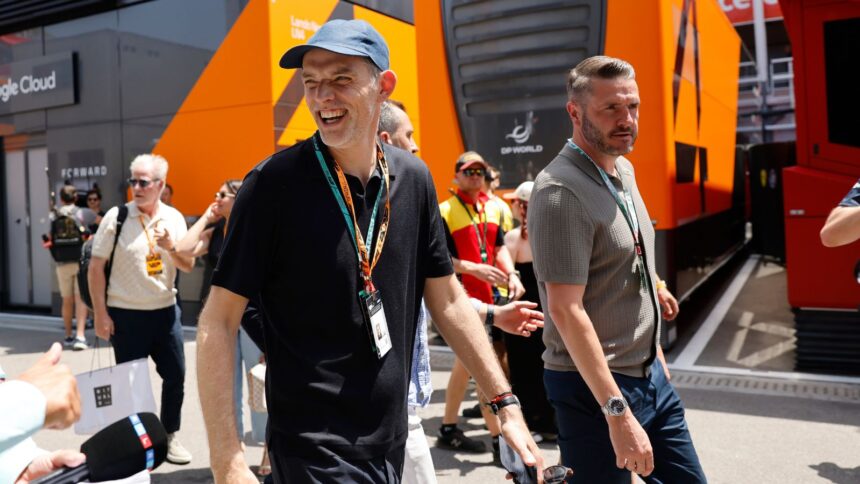
World Cup squads are usually picked on form and footballing ability alone. Managers often prefer players who can change games in moments, trusting talent to solve problems on the pitch. England head coach Thomas Tuchel, however, believes what happens off the pitch could be just as important in the 2026 World Cup, saying that players who possess social skills and can communicate effectively with others may have an edge in making the squad compared to those who only have the best skills on the pitch. “When I speak to players who have been in World Cups, it has always made the difference when the connection was right, when the communication was right”. “When the players had the feeling that the right group is in camp, that they knew their role, why they are in camp, what is expected of them, and they had the feeling that the tournament could even go on for another four weeks, and they would be happy to be together, then they were successful.” “It will be very important that we don’t select just for talent, but also for what we need from a player.What the social skills are of a player, is he a good team-mate? Can he support if his role is maybe the supporting role? So, this is where the focus is,” Tuchel said. The German reiterated the importance of social skills among players, acknowledging that the World Cup would be a demanding period for all of them, and emphasised the team’s tight-knit nature during the tournament’s duration. “We will have a lot of players out there who hopefully play until May for international titles, they will play for national titles and we will demand – the World Cup will demand a lot out of them. Then we will be hopefully six to eight weeks together if we make it until the very end.”Story continues below this ad “It will demand a lot of our social skills, how we are together as a group and we need to get the nomination right. We need to find the right balance in the team and take it as an opportunity and take it as a dream coming true to be part in a World Cup and to play, hopefully, a major role is nothing else than a dream,” he added. England, who will head into the World Cup with expectations of a deep run, are likely to face an intense physical and mental schedule. They start their World Cup campaign against Croatia in Arlington, Texas, on June 17. The expanded tournament format means teams could spend close to two months together, navigating pressure, fatigue and constant scrutiny. Against that backdrop, team dynamics and adaptability can play a decisive role in sustaining performance.
Thomas Tuchel says social skills could influence England’s 2026 World Cup squad: ‘We don’t select just for talent’