



IPL 2025: Ricky Ponting’s View on Impact Player Rule
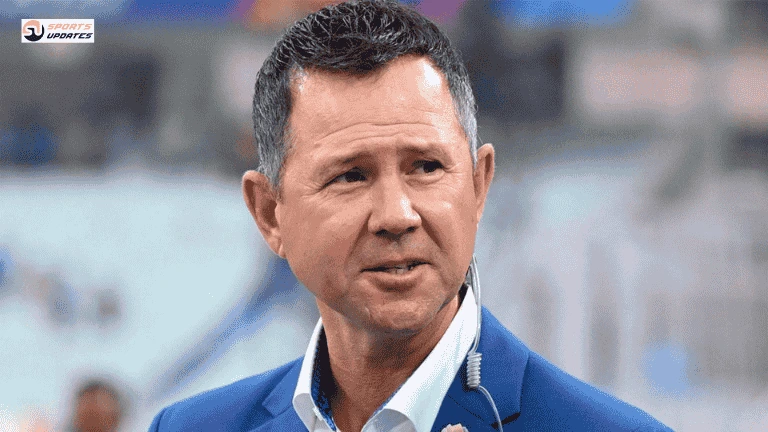
The Indian Premier League (IPL) is forever changing its narrative to keep fans engaged and has something new up its sleeves. Please note that data is only updated until October 2023 . The introduction of this system itself has contested a lot of controversies from as early as 2023, and the system is known as the Impact Player Rule. Recently, Punjab Kings (PBKS) head coach Ricky Ponting expressed his opinions on this rule during an interview with the Indian Express. Ricky Ponting on Impact Player Rule.
He says it is aimed at viewers and television audiences more than it is the game’s fundamental strategy. This blog explores Ponting’s view, the role of the rule in the making of IPL 2025 and the pros and cons of the rule with relevant examples firmed up in all matches played this IPL season so far.
What Is the Impact Player Rule?
According to the Impact Player Rule, an Impact Player comes into play when a team replaces one of its starting XI players with a 12th player in the middle of a match.
In IPL 2023, introduced the impact player, which enables captains to bring in a specialist batter or bowler as per the requirement of the game. A team can replace a batter who is out of form with a reinvigorated hitter, or a bowler struggling with his form can be replaced with a death-over specialist.
Ricky Ponting on Impact Player Rule, There are pros and cons to this flexibility. Some applaud it for increasing drama, while critics say it cheapens the value of all-rounders.
When Ponting, who has played for and coached Australia, weighs in, he has both a balanced perspective and a media sector belief that cricket tends to be guilty of under-reporting events. He understands the attraction of the rule for fans, but wonders how it fits with the traditional tactics of the game.
His words express the friction between entertainment and the soul of the sport, a dynamic that deserves a deeper dive.
A Dual Perspective for Ponting: Coach or Spectator
Ricky Ponting puts on two hats—a coach and then a broadcaster. This duality drives his position on the Impact Player Rule. “As a coach, I would say no,” he said in the Indian Express. He prefers picking the best XI and not making mid-game changes.
But as a spectator, he says, “I’d probably say yes.” Why the split opinion? Ponting points to the design of the rule, saying it caters to television audiences rather than tactical purity.
Ricky Ponting on Impact Player Rule. He adds, “Whether a show stays often comes down to what’s best for viewers and TV.” Ponting, who has worked as a broadcaster, understands the desire to lift ratings. Networks want high-scoring games and drama — the kind the rule provides.
For example, teams can attack fearlessly, knowing they have an extra batter waiting in the wings. But as a coach, he prefers a set XI — where strategy is based on the all-around talents of a player, not on substitutions.
This tension between spectacle and sport is nothing new. T20 cricket itself was born to make a spectator eat it. But the Impact Player Rule goes further, and questions arise about balance. Does it add to the game, or does it swing too much in the direction of entertainment?”
How the Rule Improves Entertainment
Let’s look at how this rule applies to IPL 2025 matches. Ponting points out its role in Punjab Kings’ opening victory against Gujarat Titans (GT). Pursuing 244, GT were cruising at 145 for 2 by the 13th over.
PBKS then brought in Vijaykumar Vyshak as their Impact Sub. The pacer had bowled a tight spell, giving away only 28 runs in three overs. His inclusion checked GT’s momentum, and a win by 11 runs for PBKS.
One thing he does credit is: “We had our impact player in play in the first game. Vyshak’s late arrival turned the tide. In the absence of the out, PBKS would have run out of steam to match GT’s chase.
In their following match against Lucknow Super Giants (LSG) too, PBKS brought batter Nehal Wadhera as the Impact Sub. Wadhera scored an unbeaten 43 off 25 balls, while chasing down 172 in just 16.2 overs.
These moments thrill fans. The rule forces teams to adapt in real time, making it difficult to predict game outcomes. And it also adds depth to batting and bowling lineups. A side light on all-rounders can still play specialists, making each match a heart-in-mouth affair.
The Flip Side: Critics Weigh In
Not everyone is in favor of the Impact Player Rule. It critics say it makes a mockery of true all-rounders — players who bat as well as they bowl. T20 teams traditionally valued such versatility.
Now, why choose an all-rounder when a specialist could deliver a similar outcome? Ponting acknowledges this concern, saying, “If they’re good enough, they’d be in the starting XI anyway.” He says the rule’s purported purpose — to provide a break to Indian talent — seems secondary to its entertainment value.
Data backs the critics. Scores have been ramping up since 2023, with teams regularly passing the 200-mark at IPL. The rule empowers batters to cut loose, recognizing that a collapse won’t sink them.
Meanwhile, bowlers are under constant pressure as batting depths deepen. Some fans adore the six-fest, while others lament the tactical chess match of days gone by.
Look at all-rounders such as Hardik Pandya or Ravindra Jadeja. It was their dual skills that made IPL success. Today, teams might instead prefer a pure hitter or a niche bowler. This transition could hinder the development of future all-round students, a concern that Ponting implicitly supports.
Ahead Of The Game: PBKS’ Game Plan
It’s one way of leveraging the rule — an example of Ponting’s coaching smarts. Against GT, PBKS held Vyshak back as late as the 13th over. “We had thrown our subs tactically,” he says.
The team had prepared three, two spinners and Vyshak, watching GT’s moves. GT picked left-hander Sherfane Rutherford while PBKS replied with Vyshak. This cat-and-mouse game illustrates the strategic depth of the rule.
Similarly against LSG, they brought in Wadhera to close out the chase. This is where Ponting’s adaptability shines. As a purist, he might hate the rule, but he is its master as a coach.
“We monitored their dugout,” he says, petting, where PBKS looks to read opposing choices. Moments like those, however, confirm the rule is that the spectacle needs to demand thinking, not only theatrics.
Does It Cultivate Indian Talent?
Then, the IPL says, the Impact Player Rule helps develop uncapped Indian players. Ponting remains skeptical. “They might claim it gives another Indian player an opportunity,” he says, “but if they’re good enough, they’d play regardless.”
Sure, stars like Vyshak and Wadhera lapped up their moments, but were they unknowns? Neither was a newcomer, meaning the rule more often favors semi-potent names over unproven talent.
Supporters reply that it familiarises more players with high-pressure IPL situations. In the long run, this could discover gems. Yet, the jury’s out. For each success story, the risk is to eclipse all-round development. The rule’s legacy may depend on whether it is truly constructing the future of cricket in India — or just cooking up the present.
Viewer Appeal vs. Cricket’s Soul(Ricky Ponting on Impact Player Rule)
Ponting’s main point goes back to TV. “Our bosses are always talking about how to make the spectacle better,” he says. The Impact Player Rule lends itself to this mold, producing nail-biting finishes and sky-high totals.
IPL 2025’s opening fixtures, like PBKS’ victories, showcase its pandering capabilities. Fans remain glued, advertisers cheer, and ratings soar.
But cricket is more than entertainment; it’s a craft. Purists, not least Ponting the coach, want contests that reward skill rather than gimmicks. The rule blurs this line. No wonder he’d ditch it if he could. Yet he acknowledges its appeal, part of a larger struggle in contemporary sports: old way versus new.
What Lies Ahead: IPL 2025 and Beyond
The Impact Player Rule will continue to have its say as IPL 2025 progresses. Ponting will exploit this clever on the teams like PBKS. Others may struggle to adapt. In the meantime, there will be much debate — does it add value to T20, or detract from it? Ponting’s voice carries weight, a mix of insider knowledge and a fan’s love.
For now, the rule stays. Its outcome could hinge on fan recommendations and player influence. If the scorelines of the I.P.L. keep crawling higher, and the crowds roar louder, it’s not going anywhere. But as all-rounders tire and bowlers fade, change might be close. Ponting’s position gives a perspective: be entertained, but don’t forget the essence of the sport.
Conclusion
It captures the thrill and the fracas of the Impact Player Rule. He understands its appeal to viewers, reflected in the PBKS wins, but laments the price it extracts from strategy.
IPL 2025 builds much of it on these innovations: the perfect balance of what cricket is and what it might become.Collection: Some photos for IPL 2025IPL 2025 thrives on such innovations. Whether you’re pro-Ponting the spectator, or pro-Ponting the coach, one thing is certain: the rule gets us talking. And in a league dependent on buzz, that’s a win.
Sources: Interview of Ricky Ponting by Indian Express, Match reports (PBKS vs. GT, PBKS vs. LSG, IPL 2025) from IPLT20I, Getty Images.