



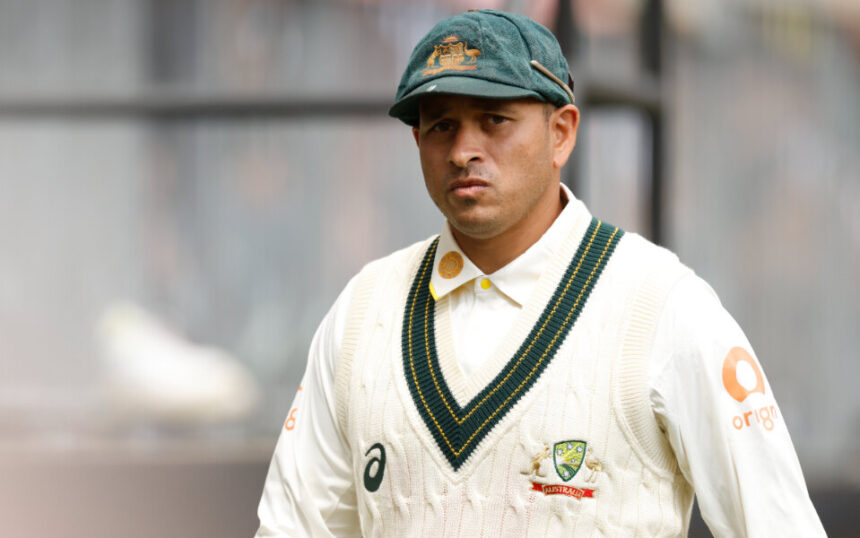

Usman Khawaja has made a significant claim in his forthcoming autobiography ‘Sabr’, stating that every member of the Australian cricket team was aware of the ball-tampering plan before it was carried out during the Cape Town Test against South Africa in 2018. The revelation directly challenges the conclusions drawn by Cricket Australia following its investigation into the Sandpapergate scandal.
In the book, Khawaja describes what he characterises as “open, lighthearted discussions” within the squad about altering the condition of the ball. He goes further with a blunt summary of collective responsibility, writing “It was all of us,” a phrase that implicates the entire touring party rather than only the three players who were sanctioned at the time. Cameron Bancroft was caught on camera using sandpaper on the ball during the third Test at Port Elizabeth, now known as Gqeberha, while Steve Smith and David Warner received lengthy bans for their roles in the plan.
Khawaja’s autobiography is scheduled for release on November 11, 2026. Excerpts published ahead of that date have already drawn widespread attention across cricket media, including coverage by the Sydney Morning Herald.
What did Smith and Cummins say about prior knowledge?
The accounts of other senior players present on that South Africa tour differ from Khawaja’s version of events. Smith, who was Australia’s captain during the 2018 series, reportedly walked away from the ball-tampering discussions at Port Elizabeth, saying he did not want to know about the plan. Current Australia Test captain Pat Cummins, who was a bowler in the Cape Town Test, has denied having any prior knowledge of what was being arranged.
These contrasting positions mean that Khawaja’s claim of universal team awareness sits in direct conflict with what at least two prominent members of that squad have stated publicly. The 2018 series, which Australia won 3-1, ended with significant consequences for the team’s leadership and support staff. Head coach Darren Lehmann stepped down from his role following the scandal, though he was cleared of direct involvement in the tampering plan itself.
Khawaja also told the Australian Story programme that his childhood coach Bill Anderson attempted to persuade other team members to collectively admit they had known about the ball-tampering, an account that adds further detail to the picture of what happened behind the scenes during and after the Cape Town Test.
How has Cricket Australia responded to Khawaja’s claims?
Cricket Australia issued a statement on November 7, 2026, defending the conclusions of its earlier investigation into the 2018 incident. The governing body indicated it was satisfied with the process it had followed and the findings it had reached. The organisation also left the door open for any new material to be examined. The board has not announced any fresh investigation in response to the claims in Khawaja’s book.
“All relevant information presented to CA to date has been properly considered and we remain comfortable with the findings of our integrity process. There has been the ongoing opportunity to present any relevant information, and this remains the case” Cricket Australia said.
The timing of the autobiography’s release comes shortly after Australia lost a three-match Test series to South Africa 2-1 in October 2026, meaning the two nations are again in the public conversation together. Whether the contents of ‘Sabr’ prompt any further administrative or integrity review remains to be confirmed.