



As the calendar turns to February, the 2026 NBA All-Star Game is just two weeks away. The on Jan. 19 and include , , , and reigning MVP in the West. , , , and were named the starters in the East.
The reserves were , including star and in the West, as well as and in the East.
ESPN NBA Insiders Zach Kram and Kevin Pelton break down the full East and West rosters, including biggest surprises and snubs, and make their bold predictions.
Pelton: is the clear choice, but seeing pop up was surprising given the pessimism over how he’s played this season on top of the Knicks’ recent slump. I think teammate has been New York’s second-best player after starter . Given Towns’ track record, the choice is certainly reasonable yet surprising nonetheless.
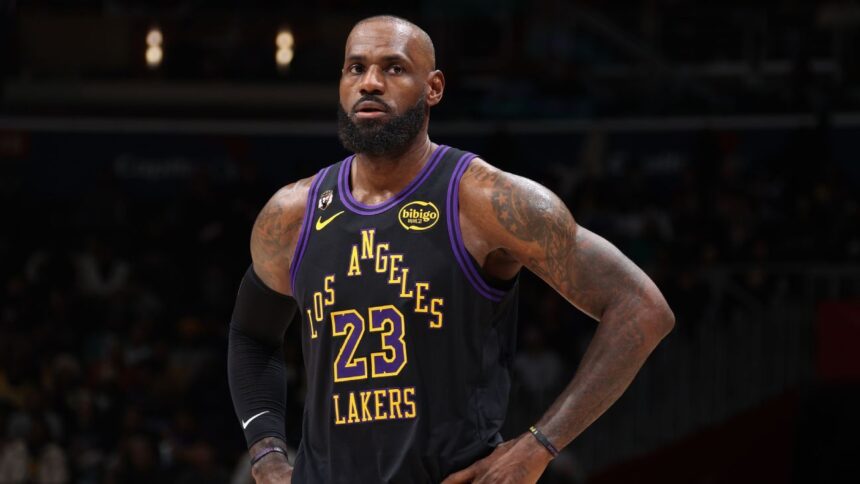
Kram: LeBron. It sounds silly to be surprised that a player who had made the last 21 All-Star games would make it 22 in a row. But given that James missed the first month and that his counting stats are down in his age-41 season, as well as the fierce competition in the Western Conference player pool, it was a surprise that his was the last name unveiled during the All-Star roster announcement.
Pelton: . Unless this is a secret part of the punishment from the NBA’s investigation into Leonard’s endorsement deal with Aspiration, I don’t get it. Leonard has been a top-10 player this season, and following a dreadful start, the have been one of the league’s hottest teams since Christmas. was the only West reserve I would have picked over Leonard. If I was taking a multi-time Finals MVP playing in L.A., Leonard was an easy choice over James.
Kram: was a first-time All-Star last season, has improved as a defender and has better counting stats across the board this year while helping lead the to the second-best point differential in the West. New Rocket was a shoo-in, but I think Sengun should have given Houston a second All-Star representative, even if that meant missed out and the surprising didn’t get a single player on the team.
Pelton: We might be closer to even in terms of internationals than East vs. West. Some of the answer depends on how creative the NBA is willing to get with its definition of international. made the case recently to Andscape’s Marc J. Spears that he’d like to represent Panama, where his grandmother was born. If the NBA pushed every possible case like that or (born in Australia, though he grew up in the U.S.), they could get to 12 without diluting the meaning of being an All-Star.
Kram: There are almost enough worthy international players to round out a 12-person roster; if that were the framework this season, the eight actual international All-Stars would likely be joined by Sengun, , (despite a lack of playing time) and . (Embiid was born in Cameroon but plays for Team USA internationally; the NBA could also choose to slot Towns, who was born in New Jersey but plays for the Dominican Republic, as an international representative.) , and have outside cases as well.
However, those players largely don’t have better All-Star cases than the ninth-through-12th-best Americans, so I wouldn’t advocate such a consequential change just yet. Let’s see how the format works with three teams (two American, one international) this year before deciding if the NBA should change the All-Star format once again.
Pelton: The NBA enjoys a short-term benefit from changing the format. Drafting teams and introducing a target score (aka the “Elam ending”) resulted in more competitive games initially before devolving into the defense-free play we’ve seen since. I could see the international team in particular taking things seriously and forcing their American opponents to up their game. However, I don’t see this or anything else “fixing” the All-Star Game long-term.
Kram: takes MVP honors. Big men rarely win this award at the All-Star game — it’s gone to a guard or wing in 13 of the last 15 years, with and as the lone exceptions — but Wembanyama is so competitive that he’ll gain an advantage just by taking the event seriously. In his first All-Star game last year, he led his team in scoring (11 points in seven minutes), and he and Chris Paul were disqualified for trying to exploit a loophole in the skills challenge.