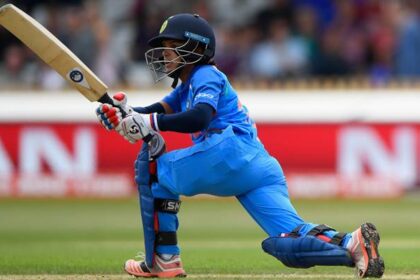




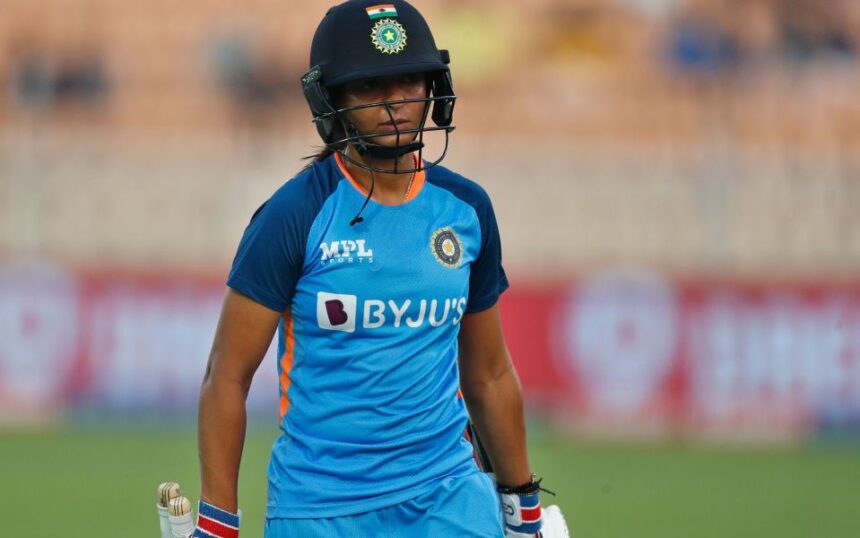

Harmanpreet Kaur stepped down as India women’s captain across all formats after captaining the team to a gold medal at the Asian Games 2026. Her decision came following a BCCI review meeting in Guwahati that included Smriti Mandhana, head coach Amol Muzumdar and BCCI secretary Devajit Saikia. Harmanpreet’s 10-year tenure as captain concluded with this transition, which saw Mandhana appointed as her successor.
Former India coach WV Raman reflected on Harmanpreet’s captaincy record and the circumstances surrounding her departure. Raman acknowledged the achievements Harmanpreet delivered during her time leading the national team, while drawing historical parallels to understand the timing of her exit.
“See, it’s very difficult to say what is the right time for somebody to take up captaincy. Let’s not forget that Harmanpreet Kaur has done well as a captain. She’s created history by winning the World Cup. And maybe, you know, people started debating about her continuing as captain after the ordinary campaign in the T20 World Cup,” WV Raman responded to CricTracker’s query during an interaction arranged by Sony Sports Network.
Harmanpreet’s captaincy transition and Raman’s historical perspective
Raman drew a historical parallel between Harmanpreet’s situation and that of Kapil Dev, India’s 1983 World Cup-winning captain. He highlighted that captaincy transitions often occur in the aftermath of major tournament victories, noting that such changes are a natural part of cricket’s evolution. Raman emphasised that the timing of leadership changes depends on the circumstances surrounding each individual case.
“These things keep happening in cricket. Let’s not forget even Kapil Dev, when he created history in 1983 by winning the World Cup. He was stripped of his captaincy six months later. So, it’s all a question of how situations are,” he added.
Raman also assessed the state of the Indian women’s team that Harmanpreet handed over to her successor. He recognised the quality of the squad and its playing style under the outgoing captain’s leadership, noting that Mandhana would inherit a side built on aggressive foundations. Raman outlined the expectations for the new captain as she took charge of a team known for its aggressive approach.
WV Raman on India’s domestic player selection process
“But here, we obviously have to realize that Harmanpreet Kaur has been around for a while, she’s done extraordinarily well as a captain. And, it was getting a little difficult, because there was some talk about, okay, will Smriti ever lead India, or should Harmanpreet continue? But, now that, we’ve seen the transition or the change happen. We had obviously hoped that the Indian team will go from strength to strength year on year because Harmanpreet has handed over a good side which is playing aggressively, which is playing confidently. And the biggest challenge for Smriti Mandana will be to try and not only sustain that aggression and fearlessness, but also raise the bar with each passing season,” Raman said.
Smriti Mandhana, who had served as Harmanpreet’s long-time deputy, would assume full captaincy responsibilities starting with the tour of Zimbabwe from October 16. Mandhana had already captained India in 18 T20Is and four ODIs before her appointment. The BCCI highlighted her leadership success in franchise cricket, particularly her role in guiding Royal Challengers Bengaluru to Women’s Premier League titles in 2024 and 2026.