



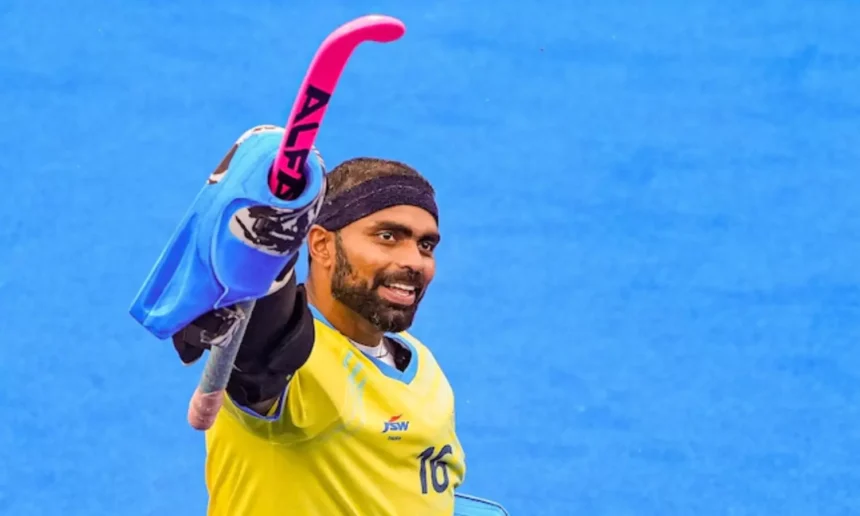
India have overcome the late-game vulnerability that once cost them dearly against Pakistan and are now better equipped to handle their arch-rivals, said veteran goalkeeper PR Sreejesh ahead of their World Cup clash.
The two teams clash in a group stage match in Amstelveen, Netherlands on Wednesday.
Sreejesh, a two-time Olympic bronze medallist, said India-Pakistan matches no longer carry the same edge they once did, with the Indian team having made significant strides in fitness, strength, game awareness and decision-making.
“Matches against Pakistan are not as tough as they used to be,” Sreejesh told JioStar.
“Conceding goals in the last quarter or final minutes used to be a problem for us, but that is no longer the case. Now, we are the ones scoring late to win matches.”
The former India goalkeeper said the shift to the four-quarter format, along with improvements made by the team even before its introduction, has helped India address some of the shortcomings that previously surfaced in tight matches.
“Earlier, during the 35-minute halves, we used to make mistakes due to fitness or poor decision-making and let in goals. But since the four-quarter system came in, and even before that, we made big improvements in our fitness, strength, game awareness, and decision-making,” he said.
India and Pakistan matches in the past were often decided by the finest of margins, but Sreejesh feels the balance has changed, even though Pakistan remain capable of producing a strong performance. “In the past, India versus Pakistan games were tight, often ending 1-0 or 2-1. Pakistan still have potential, but their current team’s level is not the same as before,” he said.
Sreejesh, however, believes India will have to be more disciplined defensively when they come up against the stronger European sides at the World Cup.
He said the team has been working with a new formation for around a year and a half, one that has at times forced them to defend more than they would ideally like. “The Indian men’s hockey team has been playing a new formation for the past year and a half. That formation mostly forces us into defense, but in the recent Pro League, we pushed up and pressed hard in many matches,” he said.
The former captain stressed the need for India to strike the right balance between defensive compactness and their natural attacking game. “One important thing is that we need to stay compact in defense when playing against European teams. Otherwise, we should play our natural game in the World Cup.”
Sreejesh also pointed to India’s zonal marking as an area that requires greater understanding and coordination.
“In defence, we used zonal marking, so we need to improve our understanding in that area. We should not drop too deep. We need to step out, press high, and defend even beyond the centre line,” he said.
(Except for the headline, this story has not been edited by The Bridge Desk. It is published from a syndicated feed.)