



In every World Cup, there’s an underdog.
It’s always a memorable storyline, but in 2026, Cape Verde stole the show.
The island nation off the west coast of Africa has a population of about half a million and was ranked 67th in the world. It is the second-smallest country by land area ever to qualify for soccer’s biggest event.
“Before the ball was kicked, we were given 1% chance and to show that it was possible what 1% can do in a group where you have Spain, Uruguay and Saudi Arabia,” Cape Verde center back Pico Lopes recently told CNN Sports. “It was just that sort of feeling of ‘We belong here,’ like we deserve to be here.”
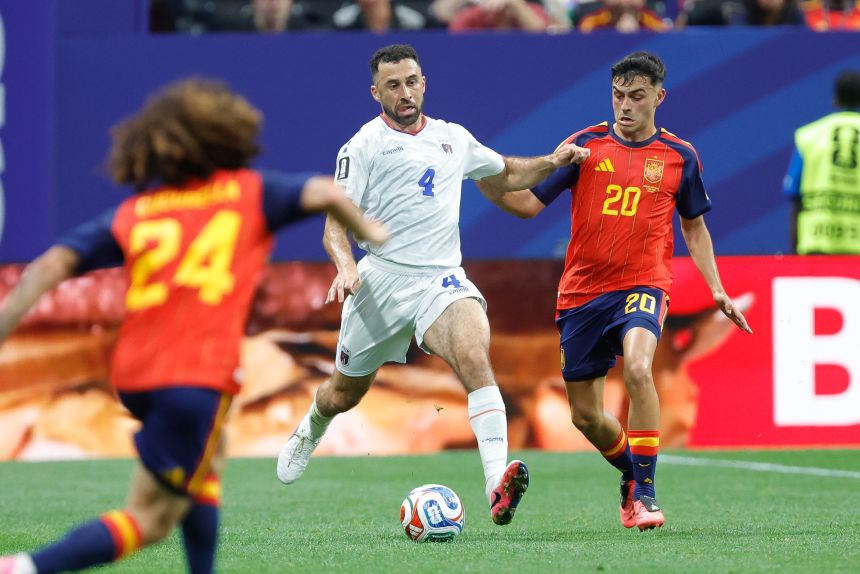
The soccer minnows were immediately confronted with the big task of facing world No. 2 Spain in their opener. Still, the Blue Sharks shocked everyone after holding the future champion to a 0-0 draw.
Cape Verde went on to finish second in the group and face Argentina in the Round of 32. The result was what many called the game of the tournament.
The contest was a cat-and-mouse affair that ended with the Albiceleste taking the win with a goal in the 111th minute.
Lopes was a core member of that Cape Verde squad and says that the key to that near success against Lionel Messi and Co. was just forgetting about all the noise and playing ball.
“We sort of took the occasion out of the game and didn’t worry about who we were playing,” Lopes said. “We just had a goal in mind and we came close. Unfortunately, it wasn’t enough, but we think we had them worried for a little bit.”
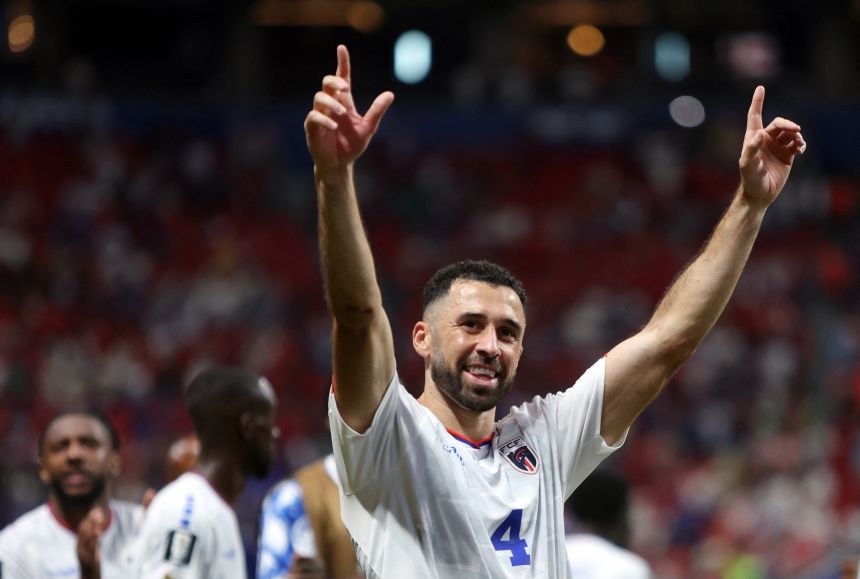
From LinkedIn to the World Cup
Lopes is Irish-born and had no plans of beginning his international career at 24. His story went viral during the Cape Verde craze at the World Cup, when his story of how he came to the globe’s attention was revealed.

He was recruited to the national team by coach Rui Águas on LinkedIn after noticing the club player was eligible because of his father’s Cape Verdean heritage. The message was originally sent in Portuguese and disregarded by Lopes, as he does not speak the language. Quite a bit of time later, Águas followed up in English, which thankfully got Lopes’ attention.
“I was writing in Portuguese because I was certain a man called Roberto Lopes would speak Portuguese, but (that) was not the case,” Águas told CNN Sports while laughing during the tournament.
“He didn’t answer the first message, but after a year I returned, and I told him the season is beginning again and asked him if he wanted to come. After six days, no answer. I wrote, ‘Forget it,’ and a few hours later, he answered finally.
“It was a good fight because, over the years, he has become maybe the most important player, a very good person, a very good player.”
Reflecting on the odd circumstance of his recruitment, Lopes told CNN: “Never did I think setting up that profile would lead me to international football, but it just goes to show you, you leave no stone unturned, and you continue to work hard every day and believe and dream, anything is possible.”
Making Africa proud
The Blue Sharks topped Group D in the Confederation of African Football’s qualifiers for a spot in their first World Cup, finishing above five-time Africa Cup of Nations champion Cameroon.
“They don’t hand out golden tickets to get you to the World Cup,” Lopes said. “You have to qualify and you’re there on merit. And I suppose, once you’re there, you don’t want to show they pass you by. You want to take part. You want to be competitive.”
In theory, La Roja should have hammered Cape Verde – but that’s not what happened.
Thanks to a world-class performance from a 40-year-old goalkeeper and a rock-solid Cape Verde defense, the African nation emerged overjoyed despite a draw.
“Spain was a phenomenal team, and I think if they play like the way they did against us nine out of 10 times, they win the game, so you do need that bit of luck, and I thought we defended well,” Lopes said.
“As a team, you need your goalkeeper to have probably the best game of his life and Vozinha did that. Everything seemed to go our way on that game.”
The team became an immediate phenomenon, especially keeper Vozinha, who finished with seven saves on the day. He went from around 50,000 followers to almost 30 million by the end of the tournament.
“He’s almost like that father figure,” Lopes said. “Like he was brilliant for me when I sort of joined and just made me feel welcome. … He deserves everything he’s getting now, just to be able to showcase his skillset on that stage.”
Cape Verde went on to draw the next two group stage matches against Uruguay and Saudi Arabia, enough to send the squad to its date with Messi and the Albiceleste, a matchup that Lopes still struggles to wrap his head around.
“You never think you’re going to get to see (Messi) play live before he finishes, and before you know it, you’re playing against them on the pitch, so it was a dream come true,” he said.
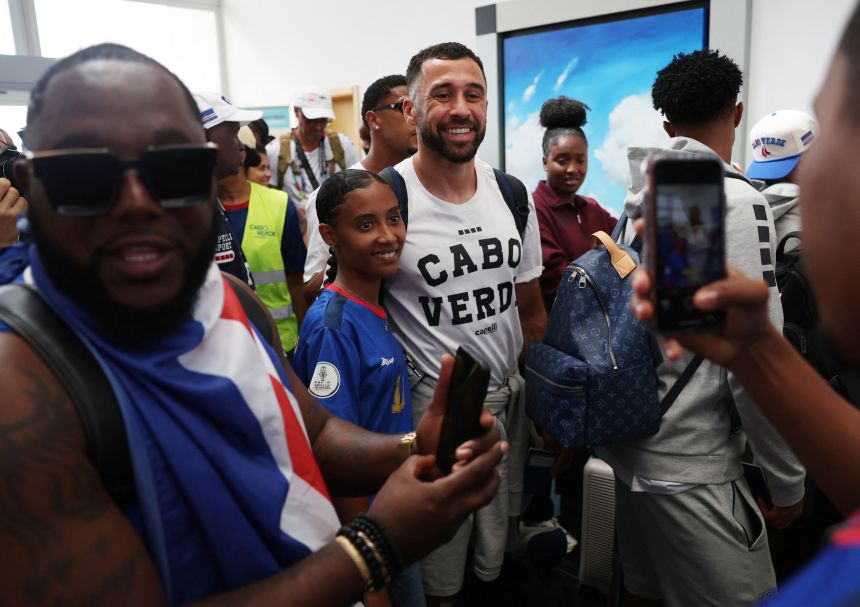
There was real disappointment that Cape Verde didn’t knock Argentina out, but that feeling changed as soon as the team touched down back home.
“You go back to Cape Verde and you realize just how much it meant for the people just to see the name Cape Verde amongst the nations and how well we represented them, and it was just what we needed,” Lopes said.
Now, Lopes believes the run has permanently shifted the island’s soccer future.
“I think everyone in Cape Verde, every child in Cape Verde is going to have a football at their feet with dreams of hopefully playing for the national team,” he said.
“It gave me the opportunity to really learn about my heritage and my family, and I’ve enjoyed every minute of it.”
CNN’s Kyle Tatelbaum contributed to this report.