



So, here we are, so far through the looking glass that we’re sitting down for dinner with the Mad Hatter, talking tactics with the Cheshire Cat and going through tournament predictions with the Queen of Hearts. A halftime show in the middle of a World Cup final – something so far removed from the origins of the sport that it feels delirious and almost unholy.
But that’s what football – yes, football – purists are going to have to deal with as this summer’s World Cup reaches its dramatic conclusion in New Jersey’s Meadowlands on July 19.
Global governing body FIFA confirmed Thursday that, for the first time, “football, music and social impact will come together as the greatest show on earth reaches its pinnacle,” introducing Shakira, BTS and Madonna as performers for a halftime show during the final that’s being curated by Coldplay frontman Chris Martin and, wait for it, characters from The Muppets.
And if you’re worried you’ve slipped into some acid-induced fever dream with Alice and The Caterpillar, fear not. You’re not alone.
The announcement has been met with mixed reactions, to say the least. Some see this as a way of making the World Cup final more accessible, leveraging it to a wider audience and taking the sport’s biggest moment to a higher level.
Others just don’t understand the fuss. For them, the World Cup final is more than enough on its own. All this razzmatazz is just another hit of nauseating commercialism which many feel has hijacked the game they fell in love with.
Two very different worlds
Ultimately, the halftime show is just another culture clash in a tournament full to the brim with just that.
For many Americans, this isn’t anything new. For them, entertainment and sports have always gone hand in hand. You only have to look at the Super Bowl to understand that.
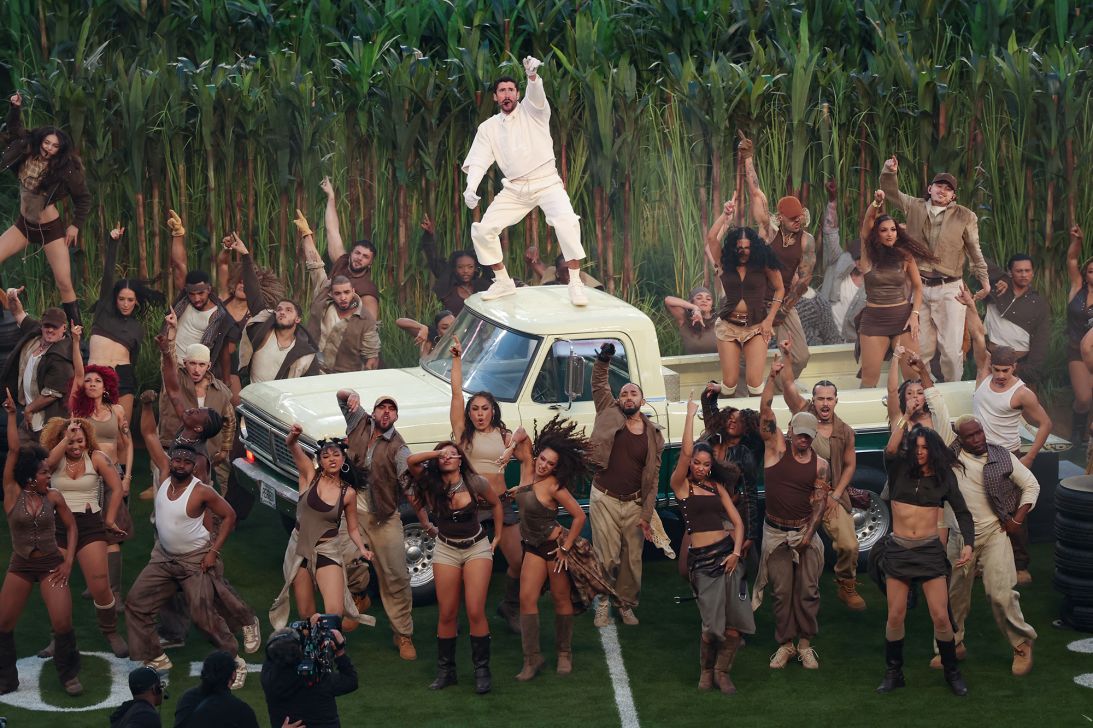
And why shouldn’t a host nation stamp its own identity on matches played on its home turf? It’s kind of what makes the tournament so exciting in the first place.

There is also little issue with the performers themselves. Even the most ardent cynic would accept that Shakira is very much a part of World Cup history, with this edition marking the third time she’s fronted a song for the tournament. Her hit “Waka Waka” was the soundtrack for the 2010 World Cup in South Africa, a tune that continues to trigger so much nostalgia and flashbacks to vuvuzelas.
We then have BTS, the K-pop megaband that’s mobilized a movement and Madonna who, well, is just Madonna – who doesn’t love a bit of “Like a Prayer”?
In truth, anyone could have been announced as the performing artist and it would still have rubbed many fans the wrong way.
For many long-suffering “Beautiful Game” purists, including myself here in England, the sport is just treated differently.
For starters, it’s called football, but let’s not start that (yes, yes, I’m aware the term “soccer” was invented in England too…). More importantly, it’s so intertwined into the fabric of global society. Clubs, even the biggest teams, still try to reflect the areas they come from. The passion and love for the game is passed down through multiple generations and that history is so vital to that sense of identity and belonging.

Going to matches is more like a pilgrimage. You stop off at the same bar or pub and have the same conversations with the same people before kickoff. You watch your team lose in the pouring rain, whine about it all the way home and then do it all again the next week.
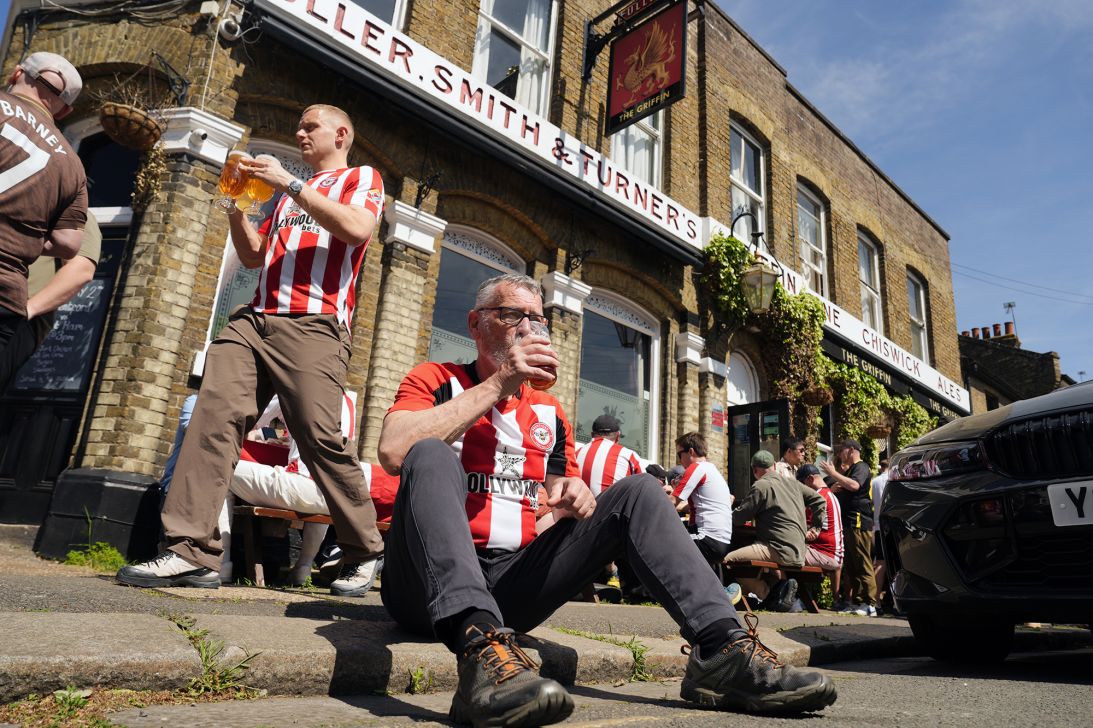
You care so much about the game that you miss weddings, birthdays and anniversaries just to watch your club play a meaningless 0-0 draw and be happy you did so – or you let it ruin your mood for days.
For the core of fans around the world, the halftime break has always been for listening to former players and pundits analyze the first 45 minutes. It’s for a quick restroom break or beer refill. It’s not traditionally a time to watch Coldplay sing songs with Elmo.
The two realities are just so far removed from each other that it’s astonishing we’re still talking about the same sport.
Hardly a surprise
But, in truth, that’s the way soccer has been going for a long time – its popularity seized upon by people looking to make ever more millions and billions.
We now have content creators filling press seats at major matches, editing their TikToks during games so it’s ready for halftime. We have streamers on the pitch at full-time, trying to grab a photo opportunity with players as they leave the field. We’ve recently also had pre-match concerts ahead of major games such as the Champions League final. So, should we really be that surprised about a World Cup halftime show?
The most I feel about the announcement is apathy, a roll of the eyes over another unnecessary distraction from the game itself. I will watch the show, though, and I’m sure it will be great. America, after all, does entertainment like no one else. But, if I’m totally honest, they could introduce a new alien species at halftime and I wouldn’t really care until after the full-time whistle, especially if the Three Lions are in with a chance at arguably the most coveted trophy in sports.
The only issue would be if the proposed show extends the length of the halftime break for players, which has to be 15 minutes according to the strict rules of the game. Reports from the Associated Press, though, suggest every effort is being made to ensure the timings remain the same – a relief for many purists.
FIFA also said the proceeds from the show would aid its Global Citizen Education Fund, an initiative raising $100 million to grant children access to education and soccer. So if this halftime show supports worthwhile causes and doesn’t really impact the game itself, then why not?
We’ve fallen so far down the rabbit hole anyways, we might as well enjoy it.